
· fatherhood · relationships · practical
How to Actually Support Your Partner After the Baby (From a Dad Who Learned on the Job)
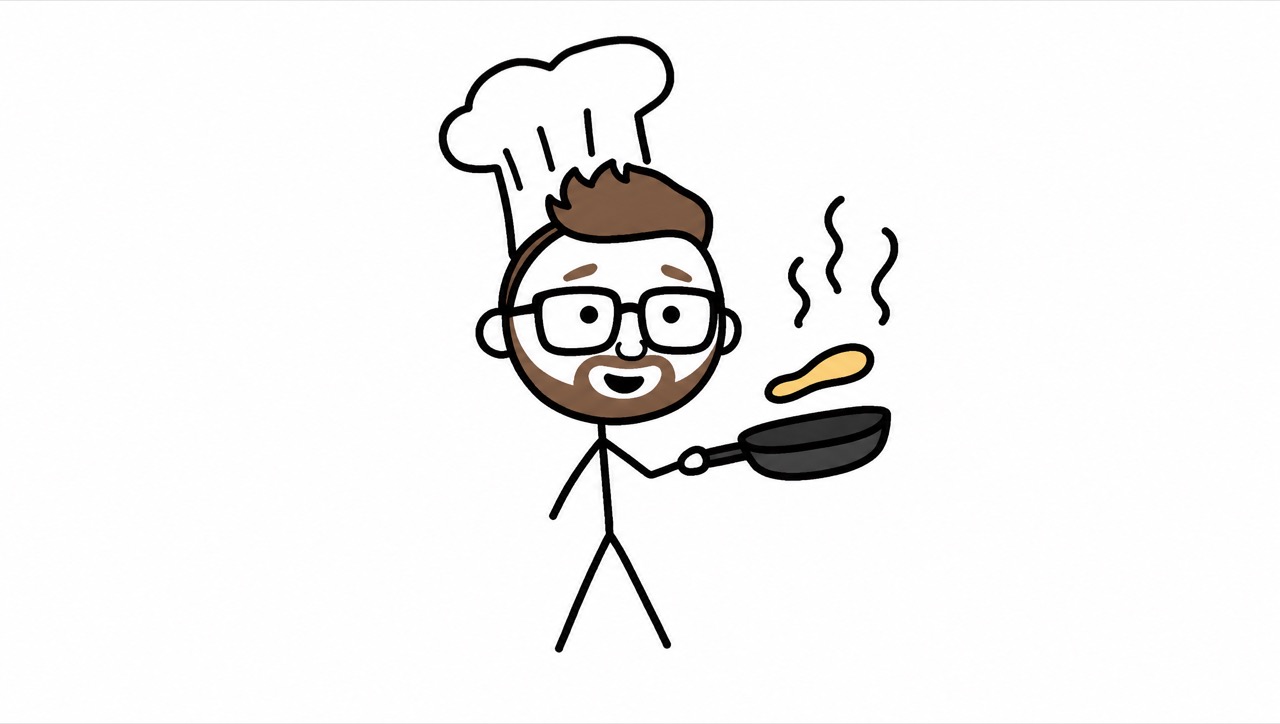
In the first months of my son’s life, the baby wanted only my wife. She fed him; she was his whole world. And I stood there thinking the quiet thought every sidelined new dad thinks: he doesn’t even need me.
Then I found my actual job. My job was taking care of her — making it possible for her to pour one hundred percent of herself into our son. So I cooked. I cleaned. I jumped when she called. I steered the ship from the back, in silence. It felt invisible at the time. The research says invisible was exactly right.
Your support measurably changes her recovery
This isn’t a feelings claim; it has numbers. When Sweden gave fathers flexible leave days in 2012, researchers found new mothers needed 26 percent fewer anti-anxiety prescriptions in the months after birth, and had fewer postpartum medical visits (Persson and Rossin-Slater, Stanford). A father’s presence is, quite literally, maternal healthcare.
The reverse also holds, and it’s the finding I’d put on a billboard: in the JAMA meta-analysis of 43 studies, a father’s depression risk climbs with the mother’s (r = .308). Struggle moves through a home like weather. Taking care of her and taking care of yourself are the same project — which is why the one-in-ten numbers belong in this conversation too.
The best support is the kind she doesn’t have to notice
Here’s the study that reframed my whole newborn year, after the fact. In a classic daily-diary study of couples under a major stressor (Bolger, Zuckerman and Kessler, 2000, Journal of Personality and Social Psychology), the support that helped most was the support the receiving partner didn’t consciously register — quiet logistics, problems that vanished before they arrived. Visible, announced helping sometimes made distress worse, because it flagged the person as struggling.
Practical translation for the newborn months:
- Own whole domains, don’t ask for tasks. “What can I do?” hands her a management job. The kitchen is yours now. Laundry is yours. She should never have to think about them.
- Scaffold her wins quietly. Bottles prepped before the night feed, her water glass full before she asks, the nappy bag restocked without a announcement.
- Feed her like it’s your love language. I cooked because it calms me — and because a meal you pour your whole self into is the loudest I-love-you there is.
- Guard her sleep like a resource. Mothers lose about an hour of sleep a night in the first three months (Richter and colleagues, 2019). Every block you can give her back is medicine.
Support her bond, and let her open the gate to yours
One more research-backed piece: in a study of 97 new families (Schoppe-Sullivan and colleagues, 2008), what predicted involved fathers wasn’t the absence of criticism — it was the presence of encouragement. Gates open both ways. Her “you’ve got this” builds your fathering; your “you’re doing amazing” steadies hers. Say it out loud, both directions.
And know that she comes back
For a while, all of her — every thought, every drop of energy — was poured into our son, and I carried my own feelings alone. Then slowly, as he needed her a little less, she had room for us again. And now the “us” has three people in it. We didn’t need fixing. We needed time.
If the carrying-it-alone part starts looking like anger, numbness, or disappearing into work, that’s a maintenance signal, not a character flaw — take it to a professional. The rock that accepts maintenance outlasts the one that doesn’t. More on that whole trap in the pressure to be the rock.
Watch the video version: I Became a Dad and Felt Lost. Here’s Why. — the same story, told out loud, in crayon.
I take apart one big question like this every week, honestly and in crayon — subscribe on YouTube and the next one will find you.